• 512-777-0330

Our Services

Getting The Spring Back In Your Step: Understanding & Treating Achilles Tendinitis (AKA Tendinopathy)

Getting The Spring Back In Your Step: Understanding & Treating Achilles Tendinitis (AKA Tendinopathy) 280 474 ResilientRx

Achilles tendinitis refers to painful overuse injury of the tendon that connects your heel to your calf muscles. It impacts numerous people – from athletes in running and jumping sports, to individuals who lead less active lifestyles. The pain and stiffness can greatly impact basic quality of life including activities like walking, exercise, and going up and down stairs. 

Before we dive into common treatments for this issue, it’s worth discussing exactly what it is, right down to how clinicians define and classify it. Having a better understanding of the diagnosis makes for more effective treatment approaches. We’ll start with the changing terminology – it turns out that “tendinitis” doesn’t quite capture what’s happening since the underlying issue is not quite black & white. Without further adieu, let’s break down the evolving terminology and science-backed treatment approaches:

What’s Up with the Changing Terminology?
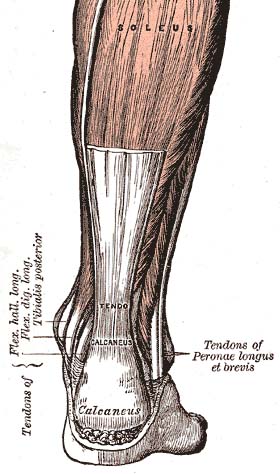
Let’s first describe the key differences between tendinitis, tendinosis and tendinopathy, because these terms are NOT interchangeable. 

  • Tendinitis has historically been used to describe inflammation of a tendon, with treatments focused on reducing that inflammation. 
  • Tendinosis refers to more degenerative changes and microtears of the tendon, without inflammation present.
  • Tendinopathy is the most broad term that encompasses all tendon disorders, including inflammatory and degenerative features. It can involve inflammatory elements right after injury, but typically it’s more to do with dysfunctional healing and tissue remodeling over time. 

What we have a better understanding of now is that there is a spectrum of issues that can impact tendons, many of which are improper remodeling or healing of the tissue, as opposed to simply inflammation. Treatments (as discussed later) should focus more on remodeling and regeneration of the tendon rather than simply reducing inflammation. We need to get that tissue strong and resilient again!
What Causes Achilles Tendon Issues?

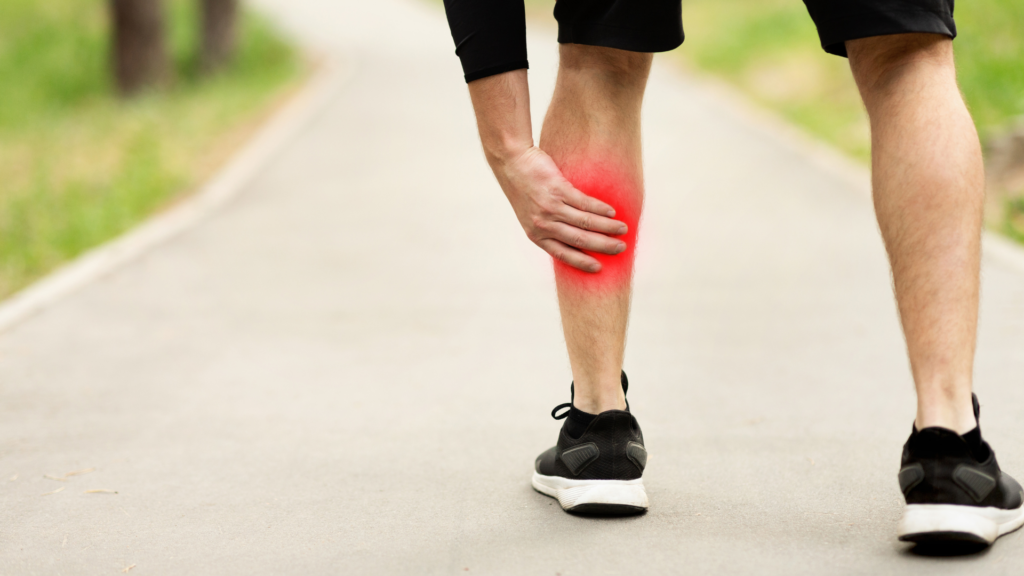
Simply put, it’s an overuse injury from repetitive strain. Micro-tears in the tendon outpace the tendon’s ability to repair itself properly, thus resulting in pain and dysfunction. Things like calf tightness, overpronation, sudden jumps in activity (i.e. couch to 5k), and poor leg strength may contribute over time. 

Most patients do not experience a single event or injury, but rather smaller insults over time. Pain can set in over days to weeks, and may worsen depending upon the person’s activity. So oftentimes a cycle of rest or stopping activity completely followed by resuming activities without the proper interventions in between causes people to stay in this unfortunate pain cycle. Complete rest actually increases tendon dysfunction!

Pain usually goes through a “warm-up phenomenon.” This means that pain can improve with exercise/activity a bit, only to return with a vengeance later on or the next day. This is where a structured program and guidance from an expert clinician is crucial. 

How Does Physical Therapy Get You Back on Track?

Your physical therapist should develop a customized treatment plan aligned with current evidence-based clinical guidelines and your goals (We do at ResilientRx)! Properly dosed strength exercises, mobility training, biomechanical corrections, and guidance on gradual return to activity aim to spark tissue regeneration/remodeling while minimizing flare-ups. Guiding the optimal balance of rest and activity helps manage load demands. It’s an intricate puzzle tailored to each patient. It’s also important to note that rehab will not be PAIN-FREE. It’s actually safe to have mild levels of tendon pain lasting less than 24 hours after activity. We often use a simple scale to monitor pain levels, which helps to dose exercise appropriately and push things forward without compromising progress. Every patient will respond differently, so communication is key.
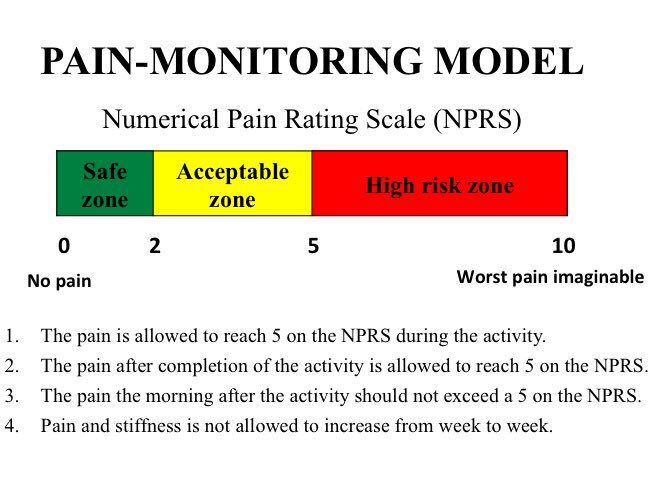
Here’s what the framework for achilles tendinopathy rehab looks like:

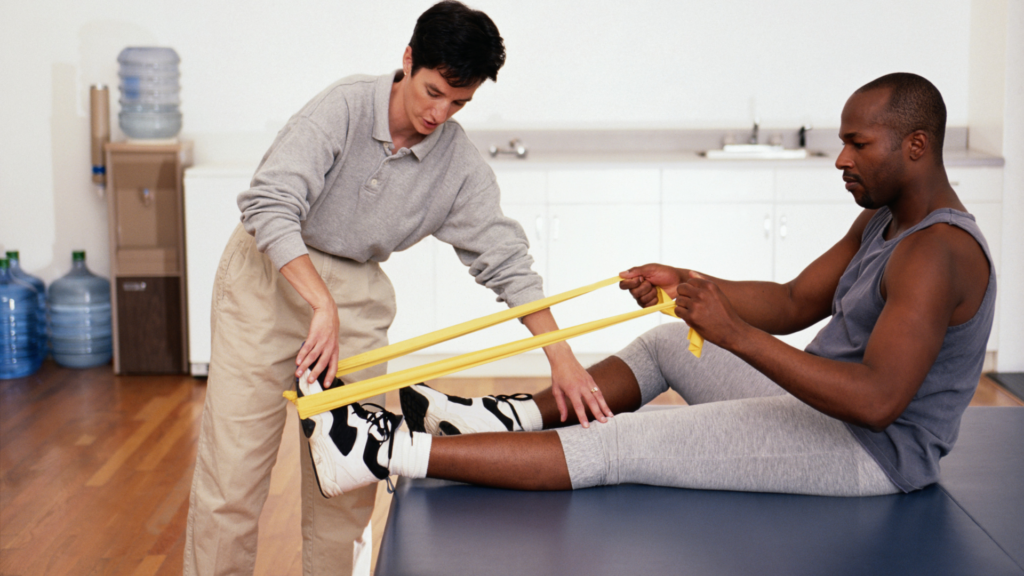
  • Early stage: hands-on modalities to calm symptoms such as soft tissue work/massage, joint mobilizations, dry needling and taping. Here we also introduce gentle strength and mobility exercises to start the tissue remodeling process
  • Mid stage: progressive loading via strength exercises to the gastroc and soleus (calf muscles). Isometric and eccentric exercises are advanced to further expose the tendon to more time under tension Stretching may be more tolerated in this phase compared to when symptoms are more acute. 
  • Late stage: we start to move more toward plyometrics exercise and sport-specific or functional training as needed, including more “traditional” strength training principles

The Bottom Line

Tendinopathy rehab is load-related and dose-dependent. We want the achilles tendon to tolerate higher loads over time, so this is a gradual process that requires patience and diligence. The unfortunate truth however, is that progress with Achilles tendinopathy is almost never linear. There will be ups, downs, and plateaus. Sometimes consistent strength training may need to be done for anywhere from 3-6 months before returning to plyometrics. Anti-inflammatories and complete rest are discouraged as this leads to further deconditioning, weakness, and more susceptibility to flare-ups. The good news is that over 75% of tendinopathy patients achieve resolution of symptoms through dedicated rehab and avoid surgery! It can be a long road for many of us, but we’re here for you!

Have you been struggling with Achilles tendinitis or chronic tendon pain in general? Schedule an appointment with one of our Doctors of Physical Therapy to get you back to doing the things you love! CLICK HERE or call 512-777-0330.

References:

1. Magnan B, Bondi M, Pierantoni S, Samaila E. The pathogenesis of Achilles tendinopathy: a systematic review. Foot Ankle Surg. 2014;20(3):154-159. doi:10.1016/j.fas.2014.03.002 

2. Morrissey D, Roskilly A, Twycross-Lewis R, et al. The treatment of mid-portion Achilles tendinopathy: a systematic review. J Foot Ankle Res. 2021;14(1):3. Published 2021 Jan 11. doi:10.1186/s13047-020-00440-5

3. van der Plas A, de Jonge S, de Vos RJ, et al. A 5-year follow-up study of Alfredson’s heel-drop exercise programme in chronic midportion Achilles tendinopathy. Br J Sports Med. 2012;46(3):214-218. doi:10.1136/bjsm.2010.083428

4. Rowe V, Hemmings S, Barton C, et al. Conservative management of midportion Achilles tendinopathy: a mixed methods study, integrating systematic review and clinical reasoning. Sports Med. 2012;42(11):941-967. doi:10.1007/BF03262301

5. Doral MN, Alam M, Bozkurt M, et al. Functional anatomy of the Achilles tendon. Knee Surg Sports Traumatol Arthrosc. 2010;18(5):638-643. doi:10.1007/s00167-010-1083-7

6. Alfredson H. Chronic midportion Achilles tendinopathy: an update on research and treatment. Clin Sports Med. 2003;22(4):727-741. doi:10.1016/s0278-5919(03)00034-7 

7. Padhiar N, Achana F, Davies A, et al. Eccentric exercises reduce the risk of Achilles tendon overuse injury: a systematic review and meta-analysis. Br J Sports Med. 2021;55(21):1180-1188. doi:10.1136/bjsports-2020-103426
Heel Pain? Oh Heel No!: Breaking Down Plantar Fasciitis and Best Treatments

Heel Pain? Oh Heel No!: Breaking Down Plantar Fasciitis and Best Treatments 1920 1080 ResilientRx

WHAT IS THE PLANTAR FASCIA AND FASCIITIS?

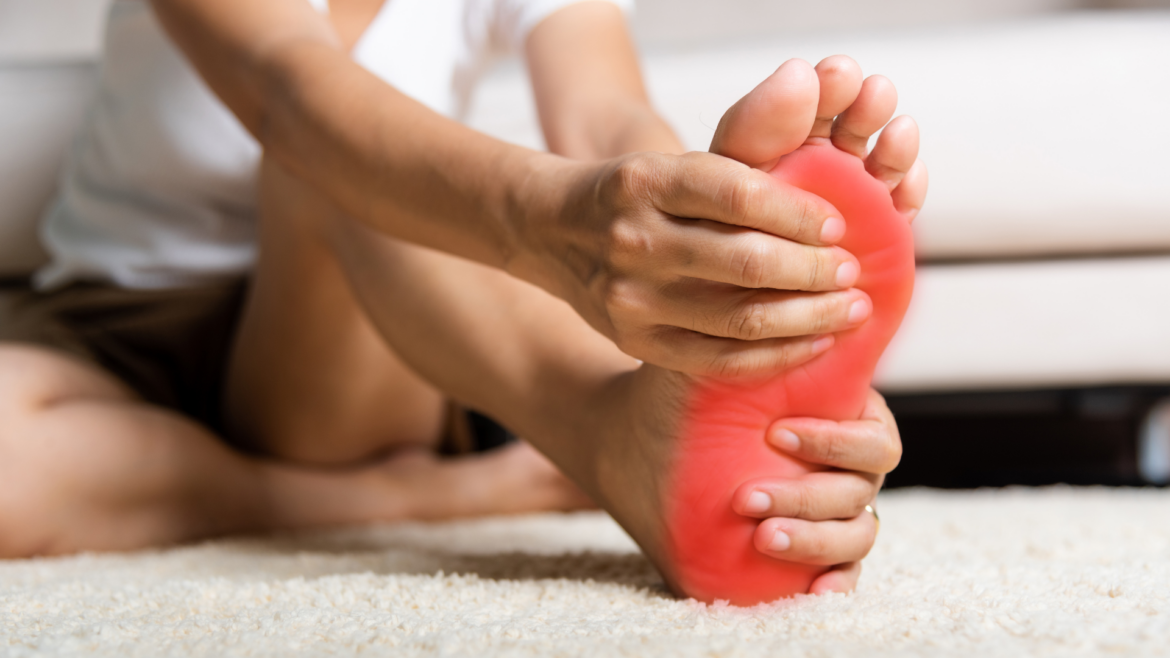
If you’re dealing with pain and stiffness in your heel and arch, you’ve probably heard the term “plantar fasciitis” used quite a bit. It’s one of the most common causes of heel pain that we see, with over 2 million Americans struggling with it every year(1). The plantar fascia is a thick fibrous band of connective tissue originating from the heel bone that extends along the sole of the foot towards the toes. It provides support for the foot’s arch, acts as a shock absorber, and aids with gait mechanics. It is typically described as sharp stabbing pain in the heel or arch area, often worse when taking the first steps in the morning or after long periods of sitting (2).

WHY PLANTAR FASCIITIS IS NO LONGER AN ACCURATE LABEL

Plantar fasciitis by definition, implies swelling and inflammation of that tissue. However, recent research found that only about 5% of cases actually show inflammation on imaging tests(4). There seem to be more factors at play than simply inflamed fascia. Other tissues can also be involved, which is why plantar heel pain has become a more popular diagnosis. It leaves room for other variables. The precise cause is often unknown, but plantar heel pain frequently results from repetitive strain and overuse dysfunction of multiple plantar structures including the fascia itself, the fat pad on the bottom of the foot, muscles, and nerves. Factors such as running, increased weight, or increased time spent on the feet are just a few possible contributors (3).

SO WHAT WE CALL IT A DIFFERENT NAME – HOW DO WE TREAT IT?

Bottom line, that deep heel and arch soreness stems from straining the fascia and structures around it way too much. It’s difficult to point to one exact mechanism for your pain, but there are plenty of options to get things feeling better!

Recent high-quality studies have evaluated rehabilitation strategies for plantar heel pain. Treatments now should emphasize progressive tissue loading and remodeling exercises rather than anti-inflammatory modalities. For example, a 2020 randomized trial demonstrated that plantar fascia-stretching using a towel or resistance band combined with calf and foot soft tissue massage led to decreased pain and improved function when compared to no treatment (5). The specific stretching targets and tension loads the plantar fascia itself, while massage techniques mobilize tight calf, arch, and plantar muscles. Other potentially helpful interventions include taping techniques to support the arch and reduce strain on the plantar fascia, dry needling, night splints, and relative rest/activity modification to avoid aggravating activities (7). Additional research supports use of prefabricated arch-support orthotics, which redistribute pressure away from irritated heel tissues out to the midfoot area (6). Orthotics worn during daily activities allow for graded loading and exercise progression.

WHAT PT CAN OFFER COMPARED TO MEDICAL INTERVENTIONS

It may be tempting to get a “quick fix” especially if the pain is really intense and impacting quality of life. It may come as no surprise that treatments like corticosteroid injections typically do not provide long-term benefit and do come with possible risks and side effects(8). Something more invasive like surgery should be the absolute last resort after 9-12 months if high-quality conservative treatment fails (7)

Physical therapists tailor and monitor the progressive loading process to stimulate tissue adaptation, while minimizing symptom flare-ups as best as possible. It is important that rehab strategies also consider the patient’s goals and lifestyle. Every patient is unique – what works for a 25 year old triathlete might not be best for a 68 year old retiree who wants to walk the golf course comfortably. Together we’ll get your foot feeling good based on your needs and goals. The ultimate goal is to coax those overloaded plantar tissues to remodel and repair themselves. 

When addressing heel pain, it is crucial to identify and address the underlying cause of the pain. Often, heel pain can stem from impaired biomechanics or limited mobility in areas above the foot, such as the ankle, knee, hip, or even the lower back. Additionally, the pain may be a result of radicular pain caused by nerve impingement along the L5/S1 region.

Therefore, it is essential to receive treatment that not only targets the symptoms but also addresses the root cause of the pain. By doing so, you can achieve long-lasting relief and prevent further complications. Seeking comprehensive care that considers the entire kinetic chain and factors contributing to the heel pain will ensure that you receive effective and tailored treatment for optimal results.

While this may be all just semantics, calling it plantar fasciitis does get the point across. Just know it’s more of a “plantar heel pain” these days. But most importantly, we’ve got loads of ways to kick it to the curb!

Have you been diagnosed with plantar fasciitis or foot pain that just won’t go away? Schedule an appointment with one of our Doctors of Physical Therapy to get you back to doing the things you love! CLICK HERE or call 512-777-0330.

References:

1. Buchbinder R. Plantar Fasciitis. N Engl J Med. 2004;350(21):2159-2166. doi:10.1056/NEJMcp032745

2. Riddle DL, Pulisic M, Pidcoe P, Johnson RE. Risk factors for Plantar fasciitis: a matched case-control study. J Bone Joint Surg Am. 2003;85(5):872-877. doi:10.2106/00004623-200305000-00015 

3. Wearing SC, Smeathers JE, Urry SR, Hennig EM, Hills AP. The pathomechanics of plantar fasciitis. Sports Med. 2006;36(7):585-611. doi:10.2165/00007256-200636070-00004

4. Lemont H, Ammirati KM, Usen N. Plantar fasciitis: a degenerative process (fasciosis) without inflammation. J Am Podiatr Med Assoc. 2003;93(3):234-237. doi: 10.7547/87507315-93-3-234.

5. Renan-Ordine R, Alburquerque-Sendín F, Rodrigues De Souza DP, Cleland JA, Fernández-de-Las-Peñas C. Effectiveness of myofascial trigger point manual therapy combined with a self-stretching protocol for the management of plantar heel pain: a randomized controlled trial. J Orthop Sports Phys Ther. 2011;41(2):43-50. doi:10.2519/jospt.2011.3504  

6. Lee SY, McKeon P, Hertel J. Does the use of orthoses improve self-reported pain and function measures in patients with plantar fasciitis? A meta-analysis. Phys Ther Sport. 2009;10(1):12-18. doi:10.1016/j.ptsp.2008.09.002

7. Martin RL, Davenport TE, Reischl SF, et al. Heel pain-plantar fasciitis: revision 2014. J Orthop Sports Phys Ther. 2014;44(11):A1-A33. doi:10.2519/jospt.2014.0110

8. David JA, Sankarapandian V, Christopher PR, Chatterjee A, Macaden AS. Injected corticosteroids for treating plantar heel pain in adults. Cochrane Database Syst Rev. 2017;6(6):CD009348. Published 2017 Jun 29. doi:10.1002/14651858.CD009348.pub2

9. Sweeting D, Parish B, Hooper L, Chester R. The effectiveness of manual stretching in the treatment of plantar heel pain: a systematic review. J Foot Ankle Res. 2011;4:19. Published 2011 Jun 24. doi:10.1186/1757-1146-4-19 

Are Deadlifts Safe To Do With Low Back Pain?

Are Deadlifts Safe To Do With Low Back Pain? 1038 694 ResilientRx

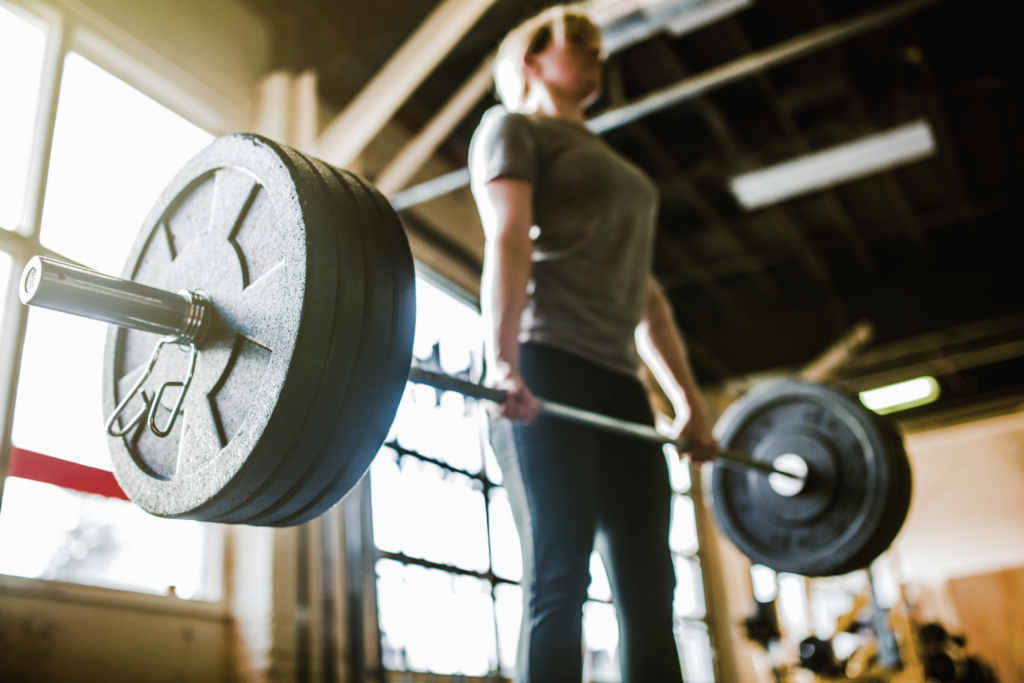
The deadlift is a popular strength training exercise that involves lifting a weighted barbell off the floor to a standing hip position. However, it is also one of the most debated exercises due to concerns about risk of injury, with plenty of misinformation across the internet. Does the evidence support deadlifting for low back pain patients under a professional’s guidance? Is it an all-or-nothing exercise where the risks outweigh the benefits? Let’s unpack these questions and more!

Deadlifts ≠ automatic injury

First, examining injury rates will provide us some insight. Weightlifters do show a higher incidence of back injuries compared to other athletes, with deadlifting as a common precipitating factor(1). Not surprising that the people doing it the most are more likely to face injuries. However, a 2020 systematic review found that in trained lifters, deadlift injury rates are low at just 0-5.9%(2). Aside from good recovery practices that emphasize sleep and nutrition, proper progressive loading and technique can help to minimize injury risk(3).

What about for people with back pain?

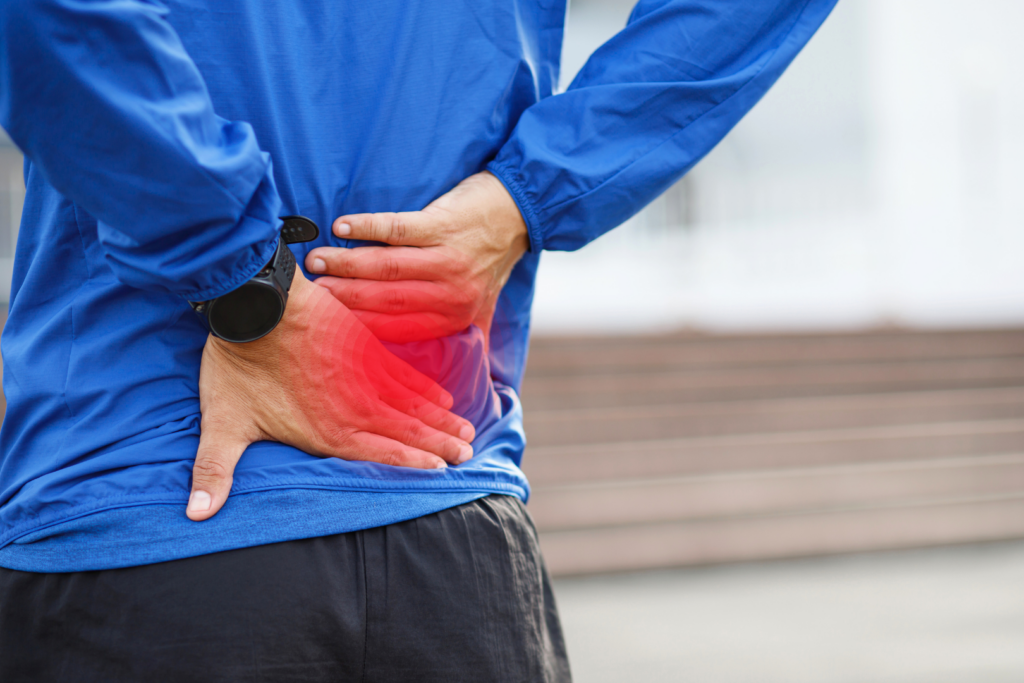
Individuals with low back pain often experience limitations in their ability to perform daily activities or participate in recreational or sports-related endeavors. For these folks, research increasingly supports deadlift retraining under supervision. Several studies demonstrate the deadlift can reduce pain and disability when added to physical therapy programs. A 2015 study had patients follow a 16-week rehab protocol of mobility exercises plus hip hinge movements progressing to deadlifts. 83% saw clinically meaningful improvements in pain and function(4). A 2018 randomized controlled trial added deadlifts to standard PT care for 3 months. The deadlift group improved significantly more than controls on pain and disability scores(5)

These benefits are thought to occur because deadlifts dynamically load and strengthen the spine’s supporting musculature in a safe, controlled manner(6). Proper form also trains coordinated hinging movement patterns useful for everyday activities. Simply put, the deadlift is a functional exercise for all!

Ideal strategies to consider when utilizing the deadlift in a rehab program

  • It may be helpful to supplement a client’s program with graded loading and baseline mobility, stability, and movement pattern training (7)
  • Use low loads and high repetitions if needed initially – no maximal lifts early on, especially to clients new to this lift (8) 
  • Closely monitor form, provide cues, and avoid overloading (9)
  • Equally as important to the above, allow the client to safely explore nuances in technique and positioning. This will build confidence and adaptation to the exercise while building injury resilience. 
  • Progress slowly over 8+ weeks up to heavier loads based on response (10)

While more research is still needed, evidence indicates deadlifts can play a helpful role in rehab for low back pain under proper PT guidance and load management. No exercise is ever risk-free, but deadlifts performed correctly offer unique benefits that may outweigh their potential risks for select clients.  

If you have a new or nagging injury or are not sure where to start, book a FREE discovery session (in person or virtual) with one of our Doctors of Physical Therapy!

Please note: The content in this blog is intended for educational purposes only and is not medical advice. See a healthcare professional if you have any questions about your individual needs.

References:

1. Raske A, Norlin R. Injury incidence and prevalence among elite weight and power lifters. Am J Sports Med. 2002;30(2):248-256. doi:10.1177/03635465020300020601

2. Calhoon G, Fry AC. Injury rates and profiles of elite competitive weightlifters. J Athl Train. 1999;34(3):232-238.

3. Siewe J, Rudat J, Röllinghoff M, et al. Injuries and overuse syndromes in powerlifting. Int J Sports Med. 2011;32(9):703-711. doi:10.1055/s-0031-1277207

4. Kim D, Cho M, Park Y, Yang Y. Effect of lumbar stabilization and dynamic lumbar strengthening exercises in patients with chronic low back pain. Ann Rehabil Med. 2015;39(1):110-117. doi:10.5535/arm.2015.39.1.110

5. Steele J, Bruce-Low S, Smith D. A Rehabilitation Program That Integrates Modified Resistance Training and Motor Control Retraining in Chronic Low Back Pain Patients Improves Muscular Endurance, Strength, and Pain: A Randomized Controlled Trial. BioMed Research International. 2015;2015:1-8. doi:10.1155/2015/30764

6. McGill S. Low back stability: from formal description to issues for performance and rehabilitation. Exerc Sport Sci Rev. 2001;29(1):26-31. doi:10.1097/00003677-200101000-00006

7. Hales M, Johnson BF, Johnson JT. Kinematic analysis of the powerlifting style squat and the conventional deadlift during competition: is there a cross-over effect between lifts?. J Strength Cond Res. 2009;23(9):2574-2580. doi:10.1519/JSC.0b013e3181bc191a 

8. Schoenfeld BJ, Grgic J, Ogborn D, Krieger JW. Strength and Hypertrophy Adaptations Between Low- vs. High-Load Resistance Training: A Systematic Review and Meta-analysis. J Strength Cond Res. 2017;31(12):3508-3523. doi:10.1519/JSC.0000000000002200

9. Swinton PA, Stewart A, Agouris I, Keogh JW, Lloyd R. A biomechanical analysis of straight and hexagonal barbell deadlifts using submaximal loads. J Strength Cond Res. 2011;25(7):2000-2009. doi:10.1519/JSC.0b013e3181e73f87

10. Contreras B, Vigotsky AD, Schoenfeld BJ, Beardsley C, Cronin J. A comparison of gluteus maximus, biceps femoris, and vastus lateralis electromyography amplitude in the parallel, full, and front squat variations in resistance-trained females. J Appl Biomech. 2016;32(1):16-22. doi:10.1123/jab.2015-0194

Does Icing for Injuries Work?

Does Icing for Injuries Work? 1920 1080 ResilientRx

Most of us at some point in our lives have probably sprained an ankle or twisted a knee, and were inevitably given the advice to “RICE” (Rest, Ice, Compression, and Elevation). We’ve also been advised to take anti-inflammatory medications such as ibuprofen. This has been the go-to self treatment for minor injuries for as far back as many of us can remember. However, this method has evolved into something different, the details of which may surprise you.

Based on some newer research, the RICE method may not be the most effective way to treat acute musculoskeletal injuries. In place of RICE, the new proposed acronym is PEACE and LOVE: Protection, Elevation, Avoid Anti-Inflammatories, Compression, Education and Load management, Optimism, Vascularization and Exercise. This updated approach offers more detailed guidance, which we outline below.

Protection

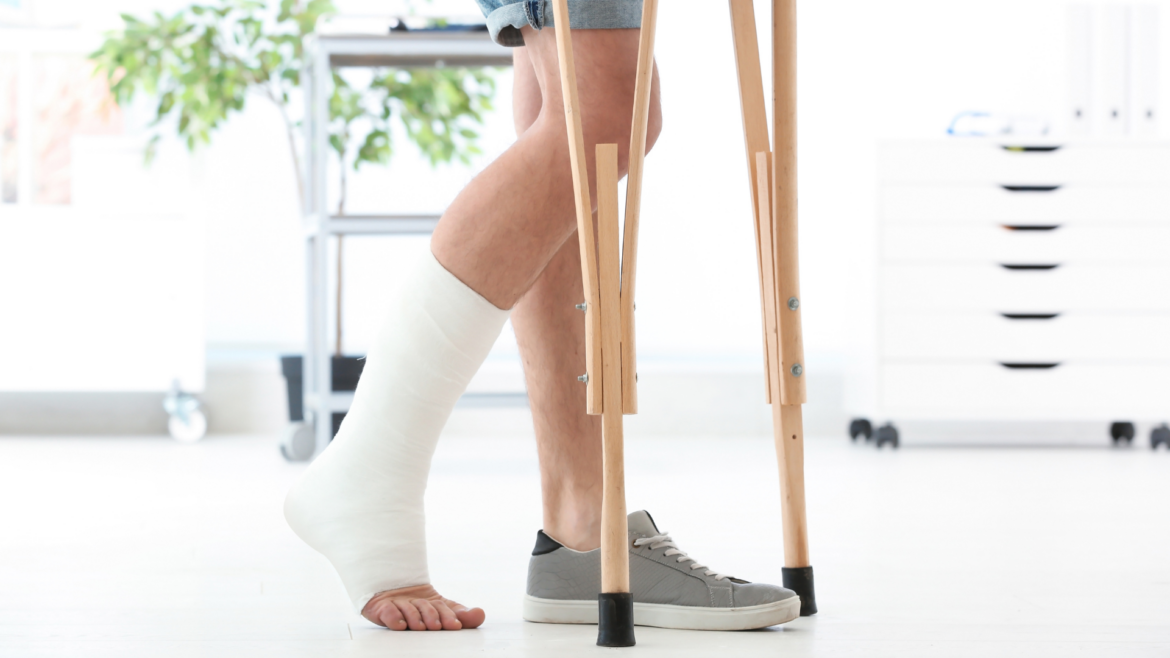
This involves taking steps to prevent further injury and reduce pain. Options such as bracing, taping, or crutches will limit range of motion and deload the affected area, to allow things to calm down as the healing process begins. Outside of assistive devices like the ones listed above, protection also entails scaling back or temporarily refraining from activities that may irritate the injury such as sports or certain exercises. It is important to note that protection does not mean complete inactivity or bedrest as we will discuss a little later in the process.

Elevation

Elevation of the affected area is still a key part of early injury recovery. Elevating the region helps to reduce swelling and pain, which helps facilitate the body’s healing process. It is recommended that the injured area be elevated above the heart whenever possible to promote blood flow and reduce swelling.

Avoid Anti-Inflammatory Modalities

The advice to take anti-inflammatory drugs such as ibuprofen has long been coupled with the RICE method. The PEACE and LOVE approach advises against this, specifically with higher doses and longer duration of use  This is because the various phases of inflammation activate white blood cells that initiate tissue healing and repair (neutrophils and macrophages, for example). If possible, it may be beneficial to avoid anti-inflammatories such as ibuprofen, to allow your body’s natural processes to do their job. This also includes the use of ice. We believe that ice can certainly be useful for pain relief, but prolonged and excessive use with the intention to reduce inflammation, is not ideal because it has the potential to delay or disrupt revascularization and the arrival of those tissue-healing white blood cells. Use ice sparingly for pain management and try to wean off quickly.

Compression

Compression, like elevation, has remained an important component of early injury management. Compression helps to manage excessive swelling of the joints and hemorrhaging (bleeding) that has occurred in the soft tissue. It can provide general support to the injured area which may make it more comfortable to start moving and weightbearing, further facilitating the healing process. Compression should be applied gently and not be too tight, as excessive pressure can impede blood flow and cause some discomfort.

Education

Unlike the RICE method, which simply recommends rest, the PEACE and LOVE approach emphasizes the importance of active recovery strategies. It is important to understand the role of early movement and not rely excessively on passive modalities. Things like manual therapy and electric stim can be useful in reducing pain and swelling, but they should be used as supplements to exercise and load management. Education also entails encouraging the individual to avoid the mindset of “needing to be fixed” which can lead to overtreatment, and instead empowers them with knowledge and clear expectations for recovery.

Load Management

For nearly all patients with musculoskeletal problems, an active approach that includes movement and exercise is beneficial. Mechanical input (load, weightbearing, etc.) should be encouraged as early as safely possible along with resuming normal activities as soon as possible. Optimal loading means we are engaging and using the affected area without exacerbating pain. This promotes tissue repair and tolerance, which leads to restoring the individual’s function as a whole.

Optimism

Injuries can impact all aspects of a person’s life, including their mental health. Maintaining a positive outlook and belief in one’s ability to recover can have a significant impact on the healing process. Research has shown that patients who are optimistic about their recovery tend to have faster and more complete recoveries. There can be many mental and emotional barriers to recover, especially for someone who leads an active lifestyle. Don’t ever be afraid to ask for help or talk to someone if you are ever dealing with depression or fear after an injury.

Vascularization

Vascularization, or promoting blood flow to the injured area, is also crucial in the PEACE and LOVE approach. Blood flow helps to bring oxygen and nutrients to the injured area, which are essential for the healing process. The previously mentioned strategies of elevation, compression and load management can help promote vascularization. Even moving parts of your body that are uninjured are helpful throughout the recovery process. Another very important strategy that will promote vascularization is exercise, which is discussed next.

Exercise

Last, but certainly not least, is exercise. Exercise is crucial for a number of reasons, from promoting blood flow and swelling reduction, to strengthening the muscles and joints around the injured area – all of which lead to improved function and less pain. It is important to consult with your physical therapist or physician before starting any exercise program, as the type and intensity of exercise will depend on the specific injury and the stage of recovery.

We feel that compared to the traditional RICE method, PEACE and LOVE is more beneficial because it provides more detailed guidance when recovering from injuries, promotes a more active recovery approach, and creates an advantageous environment for the body’s natural processes to perform their duties.

Here are some additional quick tips:

  • Ice is still okay to use, especially if it helps reduce pain. We just may not need to ice for extended periods of time, multiple times per day after an injury. Your time is better spent moving within your tolerance, even if it’s not the directly injured area early on. Use ice sparingly and try to wean off as quickly as possible.
  • When the goal is pain reduction for non-acute injuries, either ice or heat is fine to use – whichever you find more soothing.
  • Pain-free aerobic exercise should be initiated within several days after a musculoskeletal injury if possible, to promote blood flow and boost mental/emotional well-being. When in doubt, always ask your PT or other healthcare provider

For ankle sprains in particular, consult with your physical therapist or other healthcare provider if you have any questions on whether or not you will need an Xray. Here are some helpful tips from Dr. Nick’s Instagram!

If you have a new or nagging injury or are not sure where to start, book a FREE discovery session (in person or virtual) with one of our Doctors of Physical Therapy!

References:

Dubois, B., & Esculier, J. F. (2020). Soft-tissue injuries simply need PEACE and LOVE. British journal of sports medicine, 54(2), 72-73.

Please note: The content in this blog is intended for educational purposes only and is not medical advice. See a healthcare professional if you have any questions about your individual needs.

Insurance and Pricing FAQ

Insurance and Pricing FAQ 1080 1080 ResilientRx

When searching for the right physical therapy clinic, many prospective patients will want to know whether or not that practice takes their insurance. 

In fact, it’s such a common question that we receive at ResilientRx, we thought we’d make this video to help you gain a better understanding of how the insurance process typically works with PT.

ResilientRx is an out-of-network physical therapy provider. This means that we do not work directly with your insurance, but can give you a super-bill if you have out-of-network benefits. Let us break down insurance because it can be confusing. Sometimes going through your insurance can be much more expensive, but many people are not aware of this.

What is covered anyway?

In traditional, insurance-based PT clinics, also known as in-network clinics, there can often be limitations depending upon the specific carrier and plan a patient has. Each code and treatment plan has to be the exact codes that your insurance covers, which does not commonly happen.

For example, there may be certain situations where some services are not covered, such as dry needling. You could receive additional bills long after you’ve completed physical therapy or only a certain number of visits authorized by the insurance company.

And when certain services aren’t covered, or visit counts are limited, there are many times when the physical therapist has to get on the phone with someone from the insurance company, to justify medical necessity for continued services. 

This takes precious time away from what matters most: caring for our patients.

Transparent Pricing 

Since ResilientRx is out of network with all insurance carriers, we have the ability to have transparent pricing. There are no surprise bills that you’d ever receive later on. You may think going in-network will be less expensive, however it is not uncommon for certain codes to not be approved which means that on paper it is “covered” when in reality it may get denied and you have to foot the bill months later.

And we have the freedom to work with our clients on their own time, without the insurance company placing restrictions on services or the number of visits.

Below are our prices, however we do offer packages that are good for a year which can discount the rates. Please note all evals are 60-90 minutes to allow for a full evaluation and assessment for future visits

Pricing:

Dr. Arista: & Dr. Jill $199: 60 min; $275 for 90 min, $140 for 30 minutes(Orthopedic and Pelvic Floor)

Dr. Mary: $225: 60 min; $299: 90 min, $160 for 30 minutes (Orthopedic and Pelvic Floor)

Deductibles

Let’s talk briefly about deductibles. A deductible is a specific amount of money that the patient must pay before an insurance company will pay for a claim. 

If you have a high deductible plan, let’s say $5000, then you may be paying out-of-pocket anyway for each visit during your entire course of PT.

Let’s say your copay (the amount you owe every visit) is $50. 

In the traditional in-network model, you are often coming 2-3 times per week and spending $100-$150 weekly.

If you go to a hospital based PT clinic, sometimes the charges can be upwards of $400/visit because they charge hospital rates even though you are not technically in the hospital.

And we’d argue that if you are not seeing a physical therapist 1:1, your visits tend to be less efficient and it may take you longer to get better.

More Efficient care

Since we only offer 1:1 care with Doctors of Physical Therapy, we feel our visits tend to be more efficient. This means our clients come less often and get better faster.

Less expense in the long-run

Less time away from work or home

Better quality care.

What’s the main takeaway?

We work for YOU and not the insurance company.

We hope you found this video to be helpful in answering any questions you may have about insurance.

Feel free to reach out to us and we’ll be happy to walk you through this process and answer any questions you may have.

How We’re Different

How We’re Different 1080 1080 ResilientRx

We’re ResilientRx- a physical therapy practice here in Austin Texas. We’ve helped hundreds of people just like you get back to doing what they love to do- while keeping them away from pain medication or surgery.

We’d like to take a moment to tell you how we’re different than your typical physical therapy practice. First, we need to take a look at how traditional PT clinics are run.

Traditional Physical Therapy

Traditional, “big box” physical therapy clinics that accept health insurance are very common in our healthcare system. Most clinics in the United States that accept insurance are designed to accommodate a high volume of patients, in order for the business to stay profitable.

The big reason these PT clinics need to see a high number of patients is because the amount that insurances reimburse these clinics for their services is often low and inconsistent.

So what tends to happen is your case is assigned to a physical therapist who can be double, triple, or quadruple booked.

They are managing multiple patients and other responsibilities all at once, which requires the use of Rehab assistance or technicians. 

Working with Rehab Assistance or Techs

Techs will spend anywhere from 30-40+ minutes with patients while the supervising physical therapist cycles through their patients for the hour, perhaps spending only 10-20 minutes with each of them.

Technicians are often high school educated with “on the job training” who hold no professional license or advanced clinical training.

Let’s think about that for a second…

The bulk of your direct care is in the hands of someone who is not a formally trained healthcare professional. Even under the watchful eye of the physical therapist in a busy clinic setting, is this something you feel you should be paying for and are comfortable with? We sure don’t think so.

Less direct care, more cost over time

What this system results in is that patients spend less time receiving direct skilled care, which usually means that more visits are required to get them feeling better and meeting their goals. 

And more visits means more cost to you in the long run, even if you have a copay.

Most patients will attend at a frequency of 2-3 times per week.

That’s 3 hours of PT per week, not counting the driving and waiting room times.

And even if you have a low-ish copay, that adds up quick.

How we’re different

Here’s where we are different: At ResilientRx, it’s just you and your Doctor of Physical Therapy. That’s it. 

No unskilled providers and no other patients sharing YOUR time.

The majority of our clients only attend PT once a week. Because you have one on one skilled care for a full hour, our treatments are more efficient and client-specific. 

You are making the effort to be here, investing your time and money to get better. Therefore we feel it is YOUR hour, not to be shared by anyone else, and to be fully customized to YOUR needs.

We offer high-quality, customized treatments and leave the filler stuff out

That means, no generic exercise sheets, no annoying egg timers going off telling you when it’s time to stop an exercise, and no more wasting time on things you can easily be doing at home. 

This may sound like a bad business model (trust us, it’s not)…but our goal is to work ourselves out of a job -to get you better as quickly as possible.

We make it easy too!

We will provide a structured plan for you, but also provide you the flexibility needed in scheduling. Life get’s hectic outside of physical therapy – we get it. We’ll meet you wherever you are at and come up with what works best for you!

Our goal is to provide you with the highest quality experience,  using a modern, evidence-based approach. 

Come experience for yourself, why we’re different.