• 512-777-0330

Pregnancy & Postpartum Physical Therapy

Specialized pregnancy and postpartum physical therapy for hypermobile people and those recovering from birth trauma

pregnancy and postpartum physical therapy

Pregnancy & Postpartum Physical Therapy

Specialized pregnancy and postpartum physical therapy for hypermobile people and those recovering from birth trauma

ResilientRX can help get you feeling like yourself again!

We are Austin’s first trauma-informed physical therapy clinic. This means provide a judgement-free environment where we listen, provide guidance, and create a safe space for you to understand how to move your body.

postpartum physical therapy

Stronger Through Every Stage: Prenatal & Postpartum Physical Therapy That Puts You First

Pregnancy and postpartum brings life changes, and some can be uncomfortable. You may also find yourself grieving the body or life you knew before. Back and hip pain, pelvic pressure, pain with sex, constipation, urinary leakage, and diastasis recti can make your body feel unfamiliar. If you’re hypermobile, your joints may feel less stable while your muscles feel tight from working hard to support them.

We help you make sense of these changes and build strength and confidence for the things you want to do, during pregnancy, after birth, and years later.


You Deserve More Than “Just Wait It Out”

Too often, prenatal aches or postpartum symptoms are brushed off as “normal” or “just part of having a child”.

Yes, they’re common, but that doesn’t mean you have to live with them. Our prenatal and postpartum physical therapy is designed to address the root cause of discomfort, not just mask it, so you can feel your best through every stage.



Common Reasons People See Us:

Postpartum Support

What Is It?

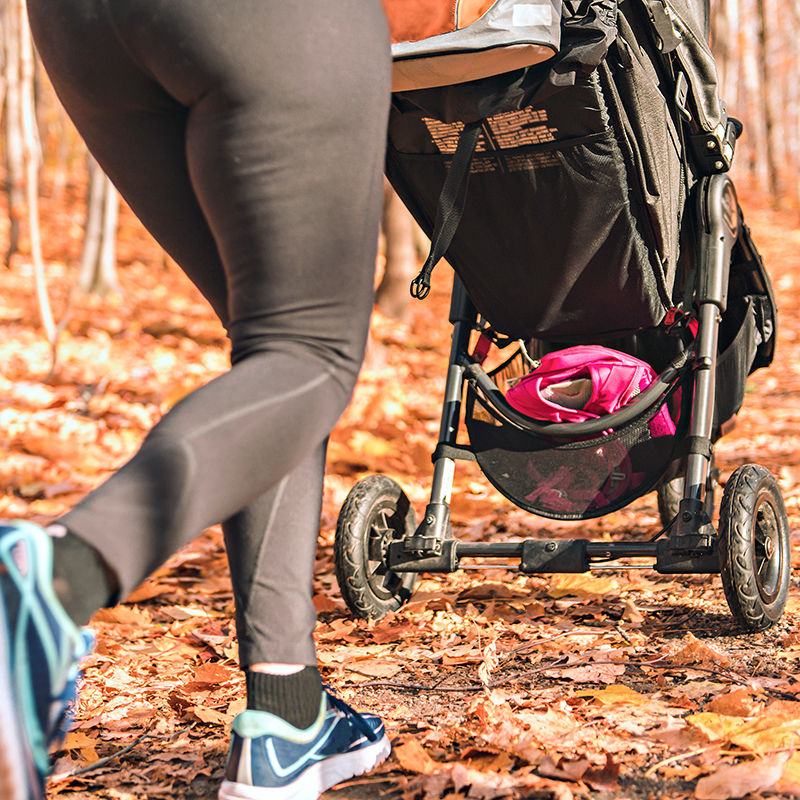
Your body continues to change after birth, and symptoms can show up or linger months or even years later. If you’re dealing with leakage, pain, or difficulty returning to exercise, pelvic floor physical therapy can help, even if your child is no longer a baby.

Many people tell us they:

  • Aren’t sure how to return to running, lifting, or jumping
  • Leak when they exercise
  • Have trouble feeling their abdominal or glute muscles working
  • Feel less stable or coordinated than they used to
  • Are hypermobile and feel like their joints need more support during movement

Being cleared at a postpartum checkup is one milestone; rebuilding strength and confidence for your usual activities can take longer. We’ll help you understand what your body needs and return to movement at a pace that works for you.

Postpartum
Urinary Incontinence

Birth Trauma

What Is It?

A birth can feel traumatic when you felt frightened, dismissed or unsafe even if you and your baby are physically healthy. Birth trauma can also involve physical injuries or a difficult recovery after a vaginal or cesarean birth.

You may notice that you:

  • Feel pain around a tear, episiotomy, or C-section scar
  • Have pelvic pain, pain with sex, or trouble returning to movement
  • Leak urine or have new bowel or bladder concerns
  • Feel tense or uneasy during pelvic exams or when thinking about the birth
  • Have upsetting memories, nightmares, or anxiety related to what happened

Pregnancy

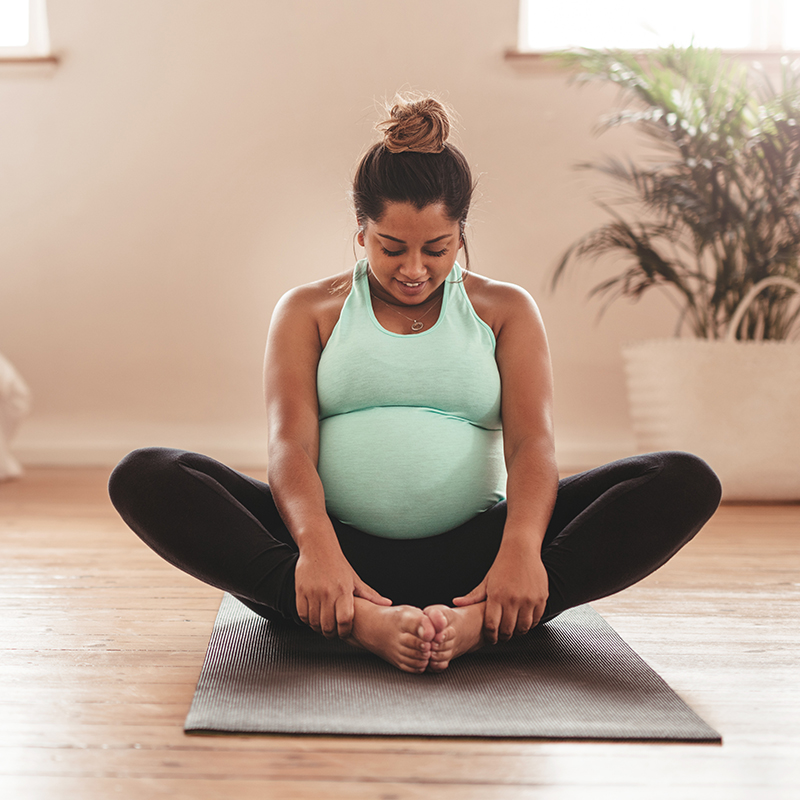
Physical therapy during pregnancy can help you adapt to the changes in your body and manage back, hip, and pelvic pain. We work on mobility, strength, and pelvic floor coordination to help you feel more comfortable during pregnancy and prepare for birth and recovery.

If you’re hypermobile, pregnancy may make it harder to feel stable or know how much movement is right for you. We can help you build strength and body awareness. Our goal is to help you feel supported through pregnancy and postpartum, in a way that fits your body.

Common reasons why people seek PT during their pregnancy: 

  • Pelvic Pain or Pressure – Discomfort in the pelvic area due to changes in weight distribution and ligament laxity.
  • Urinary Incontinence – Leaking urine when sneezing, coughing, or laughing.
  • Low Back or Hip Pain – Strain on the lumbar spine and pelvis from the growing baby and altered posture.
  • Pain During Sex – Increased sensitivity or discomfort caused by hormonal changes and tissue stretching.
  • Preparation for Labor – Learning techniques to improve pelvic floor flexibility and relaxation for childbirth.
pregnancy physical therapy
Pregnancy
Pelvic floor physical therapy for Diastasis Recti
Diastasis Recti

Diastasis Recti

What Is It?​

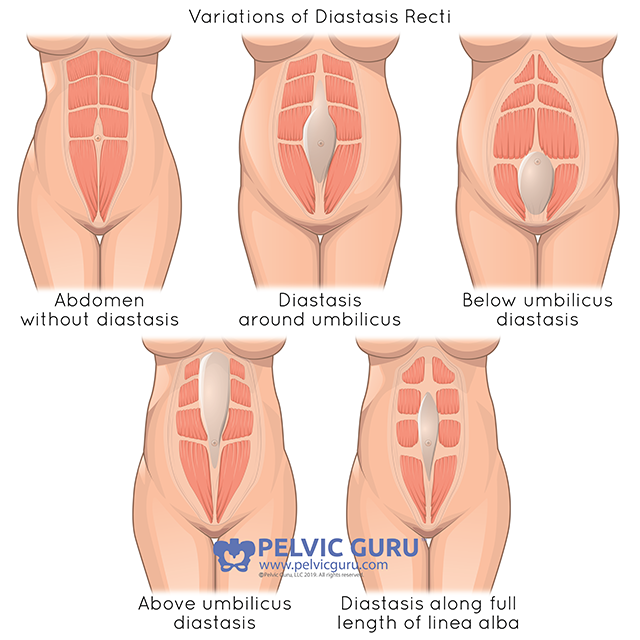
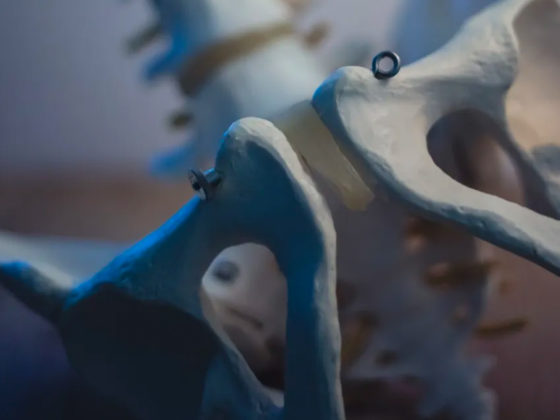
This is the separation of the middle (linea alba) of the rectus abdominis (aka the “six” pack muscle). As you can see in the picture, this can occur in different areas of the abdomen.

​This is common during pregnancy and can continue to occur after giving birth.

Many people complain that they:

  • Still “look pregnant”
  • Feel like they cannot engage their abdominals
  • Notice bulging with using their abdominals

Urinary Incontinence

What Is It?

Leaking urine or feeling a sudden, frequent need to pee can happen after pregnancy, but you don’t have to simply accept it. Pelvic floor physical therapy can help you understand what’s contributing to your symptoms and work toward better bladder control.

You might notice that you:

  • Leak when you cough, sneeze, laugh, run, or jump
  • Avoid exercise because you’re worried about leaking
  • Plan outings around bathroom access because the urge to pee feels hard to control
urinary incontinence running postpartum austin
Urinary Incontinence
pelvic floor physical therapy for hip pain

Chronic Hip, Low back and Pelvic Pain

What Is It?​

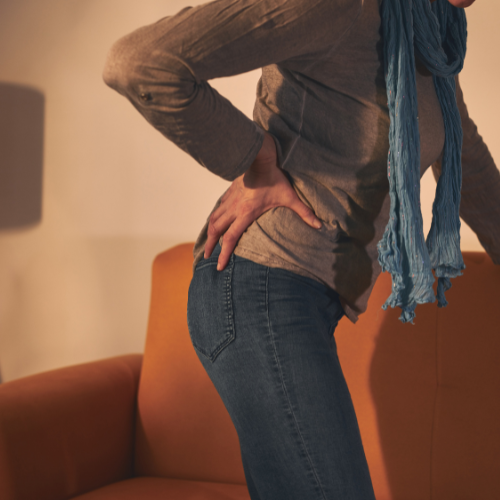
Pelvic floor dysfunction goes beyond urinary leakage and postpartum symptoms. It can also contribute to chronic hip, low back, and pelvic pain, especially when treatment focused on the painful area hasn’t helped.

The pelvic floor works closely with the bladder, bowel, pelvic organs, and surrounding tissues. Constipation, bladder irritation, changes across the menstrual cycle, prolapse, fascial mobility, and swelling or changes in lymphatic drainage may all influence how this area feels and functions.

Hypermobility can also play a role: when joints need more support, the pelvic floor and surrounding muscles may work harder to provide stability. We look at these connections to understand what may be contributing to your symptoms and build a treatment plan around you.

Many people complain that they have:

  • Nagging pain that isn’t reducing with traditional physical therapy
  • Pain that increases around their menstrual cycle
  • Pain that worsens as the day goes on
  • Pain that increases with physical activities and emotional stressors
  • Have painful periods

FAQ

  • Yes! We can complete all activities externally if you are not feeling well enough for an internal assessment.

  • Each diagnosis is different. It depends on the diagnosis, how long it has been occuring for and symptom intensity. We will make recommendations on how often to attend after your initial evaluation, but we work with your budget and time to make the best possible plan to fit your needs.

    Because we are 1:1 you the full time, most people only need to come anywhere from 8-12 visits.

  • An internal assessment is when your physical therapist assesses the 3 layers of the pelvic floor through the vagina or rectum. We also assess strength and coordination as well. However, if you are uncomfortable with this, we can complete everything externally.

Learn More About Prenatal & Postpartum Physical Therapy