

When Pain Keeps Coming Back

When Pain Keeps Coming Back
Why does my pain keep coming back?
Pain may keep returning when treatment focuses only on where it hurts. Fascia connects the body from head to toe, almost like a system of pulleys, so restricted movement in one area can cause another area to work harder. To the right, you’ll see an example of a fascial pattern connecting the foot to the neck. This illustrates how an old ankle sprain may contribute to tension or compensation in the neck years later.
The body also functions as a pressure and drainage system. Fascial restrictions, changes in pressure, and limited movement may influence how fluid travels through the tissues and how efficiently the lymphatic system drains, potentially contributing to swelling, sensitivity, or pain.
The body often needs to feel safe before it can move differently. When the nervous system perceives a threat, it may increase pain sensitivity, muscle guarding, and protective movement patterns. By learning to understand pain as a protective message, rather than always a sign of damage, we can use neuroplasticity to help the brain create new pathways and feel safer with movement and sensation.
Stress, emotions, organ mobility (yes, even how your intestines move may influence your back), surgical scars, hormonal changes, hypermobility, and other health conditions can all affect how the body moves and adapts. If we don’t consider the whole system and the whole person behind the pain, we may miss what the body is communicating.

You Are Not Broken, and You Are Not “Just Getting Older”
You have lived more life, and that is a beautiful thing. It also means your body likely has experienced more injuries, surgeries, stress, hormonal changes, and repeated movement patterns, all of which can shape how your fascia moves and adapts. Your body is not old or broken. It may simply need more thoughtful support, with care that understands its history and sees the whole picture.
Who we work with people who:
Common areas of ongoing pain
SI Joint, Pelvic and Low-Back Pain
You’ve done the clamshells. You’ve tried traditional rehab, massage, stretched, strengthened, and even rested, but you’re still in pain and missing the life you had before. It may be time to look beyond the low back.
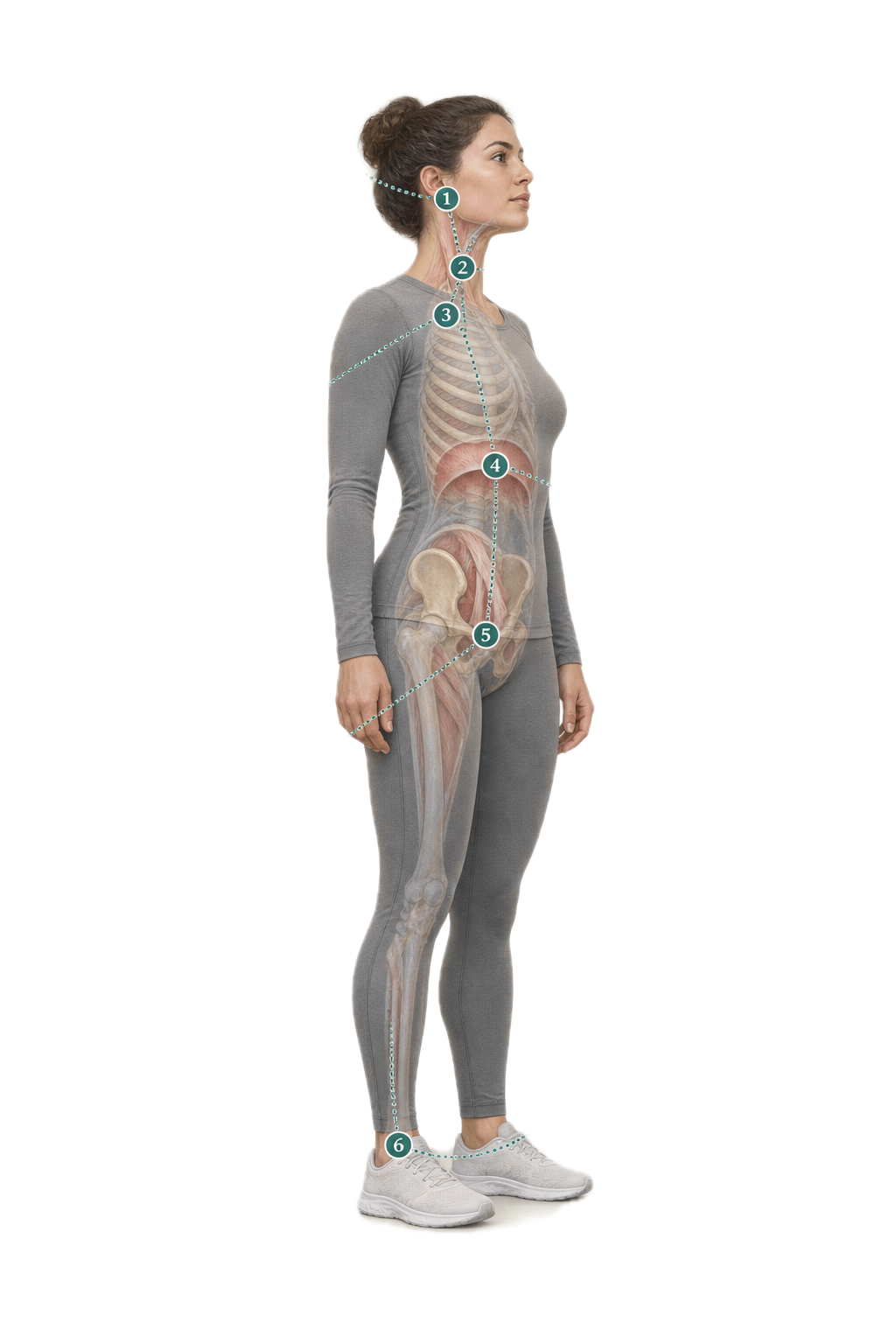
We May Assess:
- Your fascial patterns: Whether restrictions elsewhere in the body are changing how force travels into your low back or SI joint
- How you move: Whether you brace, grip, shift, or compensate during everyday movements
- Your feet, ankles, hips, pelvic floor and mid-back: If these areas are stiff or unstable, your low back may take on more of the work
- Your internal organs: Your intestines and their supporting tissues sit close to the spine and pelvis, so changes in their mobility may influence abdominal, pelvic, and low-back movement
- Abdominal pressure and lymphatic drainage: The gut contains an extensive lymphatic network that helps maintain fluid balance. Limited movement or changes in pressure may affect fluid movement and contribute to tissue sensitivity
- Surgical scars: C-section, appendectomy, or other abdominal scars may affect how the surrounding tissues glide and move
- Your breathing and pressure system: How the diaphragm, abdomen, spine, and pelvic floor work together
- Hypermobility and stability: Whether your body is bracing, gripping, or locking joints to feel more supported
- Your nervous system: Whether pain or fear of movement is keeping your body in a protective pattern
Neck and Shoulder Pain
You’ve done the rotator cuff exercises, adjusted your posture, and bought a million pillows, but you’re still in pain. It may be time to look beyond the neck and shoulder.
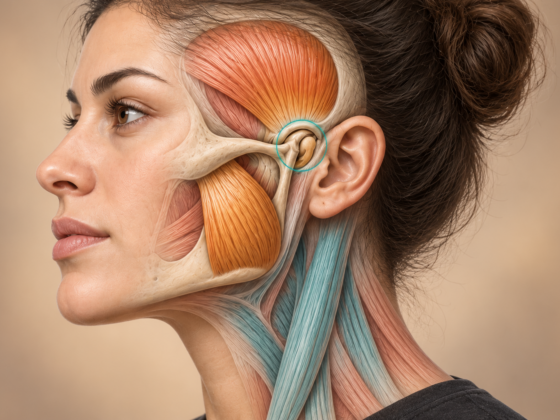
We May Assess:
-
- Your jaw and tongue: Clenching and tension may influence the neck
- Your breathing and diaphragm: Impaired pressure management may cause the neck and shoulders to work harder
- Your ribs and mid-back: Limited movement may increase strain through the upper body
- Your chest and breast fascia: Restrictions may affect shoulder mobility
- Your feet: Limited mobility or sensory input can create compensations that travel upward
- Your fascial patterns: Restrictions elsewhere may change how force travels into the neck and shoulders.
- Hypermobility: Muscles may tighten to create stability and sensory input
- Your organs: How the fascia surrounding the stomach, intestines, and liver may influence the diaphragm and contribute to tension or compensation through the chest and neck
- Your nervous system: Stress or perceived threat may contribute to guarding and tension